


في الفترة من 14 إلى 15 أكتوبر، تم بنجاح عقد الاجتماع التاسع للمعيار الدولي للاتصالات ذات الوضع المزدوج IEEE 1901.3، أي مؤتمر معيار الوضع المزدوج عالي السرعة وإصدار المنتج، في طشقند، أوزبكستان. قاد هذا الحدث معهد أبحاث الطاقة الكهربائية الصيني (CEPRI) التابع لشركة State Grid Corporation الصينية وشارك في تنظيمه كل من Holley Technology وHisilicon. حضر الاجتماع أكثر من 70 خبيرًا وممثلًا، بما في ذلك رئيس مجموعة عمل IEEE 1901.3 السيد أوليغ، وممثلين من شركة State Grid Corporation وHisilicon وBeijing Zhixin وHolley Technology، حيث ناقشوا التصنيع وتنفيذ المعيار وشهدوا عرضًا توضيحيًا لمنتجات الوضع المزدوج وأول تجربة دولية لـ POC.
ألقى السيد تشونغ شيانغانغ، رئيس شركة Holley Technology، خطابًا ترحيبيًا بصفته أحد المنظمين المشاركين، حيث رحب ترحيبًا حارًا بالخبراء من جميع أنحاء العالم. وذكر أنه باعتبارها شركة عالمية رائدة في مجال قياس الطاقة تتمتع بخبرة 55 عامًا، فإن Holley Technology تؤمن إيمانًا راسخًا بأن "المعايير تقود الصناعات" وقد شاركت بعمق في عملية التطوير الكاملة لمعيار IEEE 1901.3. ويهدف عقد الاجتماع في طشقند إلى الاستفادة من الخبرة العميقة للشركة في أسواق أوزبكستان والأسواق العالمية، وتعزيز المعايير المتقدمة من النص الفني إلى التطبيق العالمي وتوفير "حل صيني" لمشكلة اتصالات "الميل الأخير (جميع مناطق الجهد المنخفض)".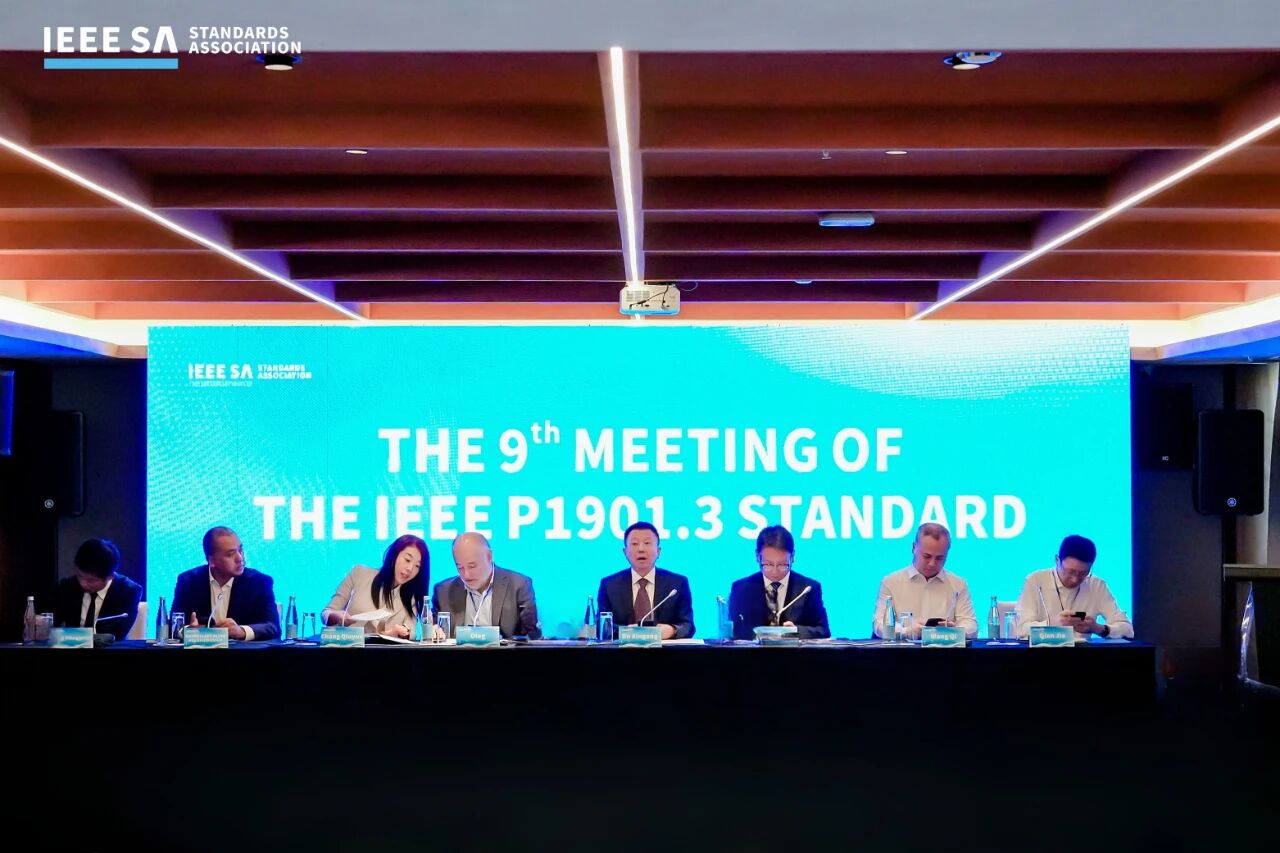
ركز الاجتماع على العولمة وسيناريوهات التطبيق المتنوعة لتكنولوجيا الاتصالات ذات الوضع المزدوج. وناقش الخبراء أدائها المتميز في جمع البيانات في الوقت الفعلي للعدادات الذكية، والتحكم في الأجهزة عن بعد، وأتمتة شبكة التوزيع، وغيرها. توفر سرعتها العالية وموثوقيتها العالية وخصائص التغطية الواسعة حلولاً أفضل لبناء الشبكات الذكية في جميع أنحاء العالم. اتفق المشاركون بالإجماع على أن تقنية الاتصال ذات الوضع المزدوج هي النهج الرئيسي لمعالجة البيئات المعقدة وتحسين معدلات نجاح الاتصالات.
تم قيادة معيار IEEE 1901.3 Dual-Mode Communication الدولي بواسطة CEPRI وHisilicon، بمشاركة نشطة من شركات مثل Zhixin وHolley Technology. منذ موافقة مجلس الإدارة الإقليمي في عام 2023، تم تشكيل مجموعة العمل وعقد الاجتماعات القياسية. حتى الآن، عقدت مجموعة العمل تسعة اجتماعات رسمية، مع توسيع العضوية إلى 45 وحدة (بما في ذلك 7 في الخارج)، مما يشكل تعاونًا صناعيًا كاملاً مع نظام بيئي ينضج تدريجيًا. في أكتوبر 2024، تمت الموافقة على مسودة المعيار بالإجماع في الاجتماع الخامس في ميلانو، وقد أكملت بنجاح تصويت IEEE SA، ومراجعة RevCom، والموافقة النهائية من SASB، والتي تم إصدارها رسميًا الآن.
يمثل إصدار IEEE 1901.3 طفرة في التكنولوجيا الأساسية. يعتمد المعيار بنية اتصالات الوضع المزدوج HPLC وHRF، مما يدعم التبديل الديناميكي بين خطوط الطاقة وروابط الاتصالات اللاسلكية ضمن شبكة واحدة، مع معدلات نقل بيانات تصل إلى 2 ميجابت في الثانية. بالإضافة إلى ذلك، توسعت سيناريوهات تطبيقها، ومن المتوقع أن تلعب دورًا رئيسيًا في الشبكات الذكية، وتخزين الطاقة الكهروضوئية وشحن الطاقة الجديدة، وتكامل المركبات - إلى - الشبكة (V2G)، والمنازل الذكية، وغيرها من المجالات الحيوية، وخاصة تلبية الطلب العالمي على تحول الطاقة الجديدة لشبكات الأجهزة.
في المستقبل، ستواصل Holley Technology التعاون مع CEPRI وشركاء الصناعة، والمشاركة بنشاط في أعمال اللجان الفرعية "الاختبار القياسي" و"ترويج التطبيقات"، وتسريع الترويج لشهادة اتساق المنتج والتطبيق الدولي، وزيادة تعميق التخطيط في الأسواق الاستراتيجية مثل أوزبكستان، والمساعدة في ترقية البنية التحتية العالمية للطاقة لتكون فعالة ومترابطة وذكية، وتساهم في التوسع العالمي لتكنولوجيا الاتصالات الصينية.
وقت النشر: 2025-10-20 11:06:40
